What the Formal Clothing Study Found
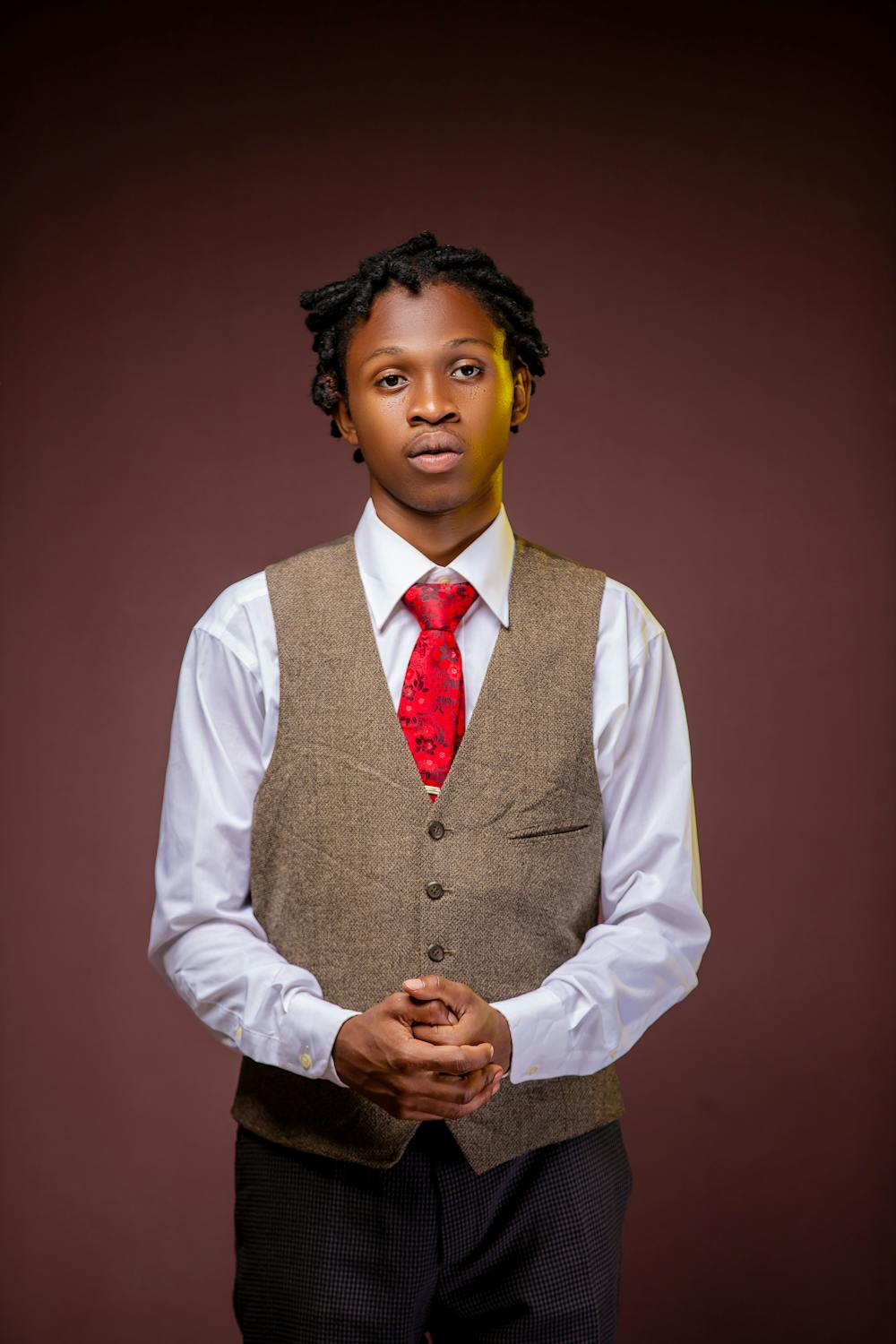
Slepian and colleagues reported that formal clothing can be associated with broader, more abstract processing in certain tasks. This does not mean formal is always better. It means attire can prime a cognitive lens.
In practice, that suggests a simple strategy: match dress level to the type of thinking you need. Strategic and presentation-heavy days may benefit from more structured looks. Highly tactile creative sessions may benefit from relaxed mobility.
Task-to-Outfit Map
- Strategy, client visibility, decision meetings: structured silhouettes, clean lines, low visual noise.
- Production, iteration, movement-heavy work: softer fabrics, comfort-forward layers, still coherent color palette.
- Hybrid days: modular outfits where one layer switch changes formality quickly.
Execution Rules
- Pre-label 3 formality levels in your wardrobe app or closet.
- Assign each calendar block to one level.
- Pre-pack one “upgrade layer” (jacket/shoes/accessory) for transition moments.
Transition Rules Between Formal and Casual
Most people do not need two separate wardrobes. They need a transition protocol between dress levels. Keep one formal anchor (structured layer or clean shoe), then soften one element at a time when moving casual. This preserves coherence while adapting to context.
The opposite direction also matters. If you are moving from casual to formal, prioritize posture-related pieces first: cleaner shoulder line, sharper footwear, lower visual noise in accessories. These changes tend to shift perception quickly even when the rest of the outfit remains similar.
Avoid Context Drift
- If you feel "too dressed," remove one polished detail before removing structure.
- If you feel "too casual," elevate shoe finish before adding extra layers.
- Match texture complexity to environment density (minimal room, minimal texture).
Small controlled edits usually outperform full outfit swaps and reduce decision fatigue during the day.
References
- Slepian, M. L., et al. (2015). The Cognitive Consequences of Formal Clothing. https://doi.org/10.1177/1948550615579462
- Adam, H., & Galinsky, A. D. (2012). Enclothed cognition. https://doi.org/10.1016/j.jesp.2012.02.008